When most people think of physiotherapy, they imagine recovering from injuries, managing chronic pain, or rebuilding strength after surgery. Another important area focuses on helping people who experience dizziness, vertigo, or balance problems. This specialized care is known as vestibular physiotherapy.
Feeling dizzy or off-balance can affect confidence, safety, and independence. Vestibular disorders are relatively common and can significantly influence daily activities. Vestibular physiotherapy assesses and manages these symptoms through targeted exercises and individualized care. In this blog, we will explain what vestibular physiotherapy is, the conditions it addresses, how it works, and the potential benefits.
What Is Vestibular Physiotherapy?
Vestibular physiotherapy focuses on balance and dizziness disorders caused by issues in the vestibular system, the part of the inner ear that detects head position and movement. The vestibular system works closely with the eyes and muscles to help maintain balance and spatial awareness. When it is not functioning properly, it can lead to dizziness, vertigo (a spinning sensation), unsteadiness, or difficulty focusing.
A vestibular-trained physiotherapist completes a detailed assessment to identify potential causes and creates an individualized program to help manage these symptoms.
Common Vestibular Conditions Addressed in Physiotherapy
Vestibular physiotherapy is often used as part of the management plan for several conditions that affect balance and spatial orientation. These may include:
- Benign Paroxysmal Positional Vertigo (BPPV). This is one of the most common causes of vertigo. It occurs when tiny calcium crystals in the inner ear become dislodged and move into one of the semicircular canals. This can create a spinning sensation when changing head positions, such as rolling in bed or looking up. Physiotherapists use specific repositioning techniques to guide these crystals back to their proper place.
- Vestibular Neuritis is inflammation of the vestibular nerve, often following a viral infection. It can lead to sudden dizziness, imbalance, and nausea. Vestibular physiotherapy may assist in the recovery process by helping the brain adapt to the changes in balance signals.
- Meniere’s Disease is a chronic condition that can cause episodes of vertigo, hearing changes, and ringing in the ears (tinnitus). While physiotherapy does not treat the underlying cause, it may support improved balance and help reduce the impact of dizziness between episodes.
- Labyrinthitis involves inflammation of the inner ear’s labyrinth and can cause vertigo, imbalance, and hearing loss. Vestibular rehabilitation may assist in managing these symptoms as part of a broader care plan.
- Persistent Postural-Perceptual Dizziness (PPPD), also known as chronic subjective dizziness, involves ongoing sensations of unsteadiness or dizziness that are often triggered by movement, visual patterns, or busy environments. Vestibular physiotherapy may help desensitize these triggers over time through gradual exposure and balance training.
- Concussion-Related Dizziness, after a concussion or mild traumatic brain injury, it is common to experience dizziness or imbalance. Vestibular physiotherapy is often part of concussion management to help restore coordination, gaze stability, and confidence with movement.
What Vestibular Physiotherapy Looks To Do
Vestibular physiotherapy retrains how the brain and body process signals related to balance and motion. Each plan is very individualized because symptoms and causes differ from person to person.
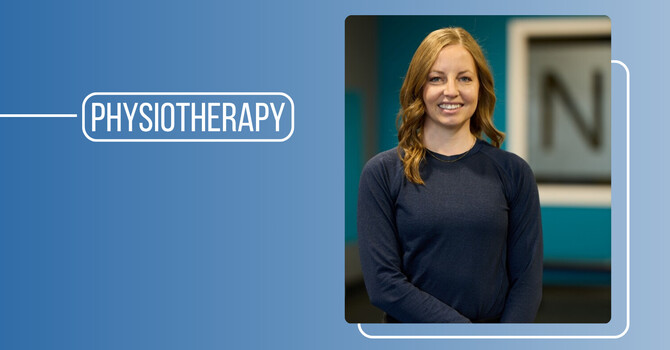
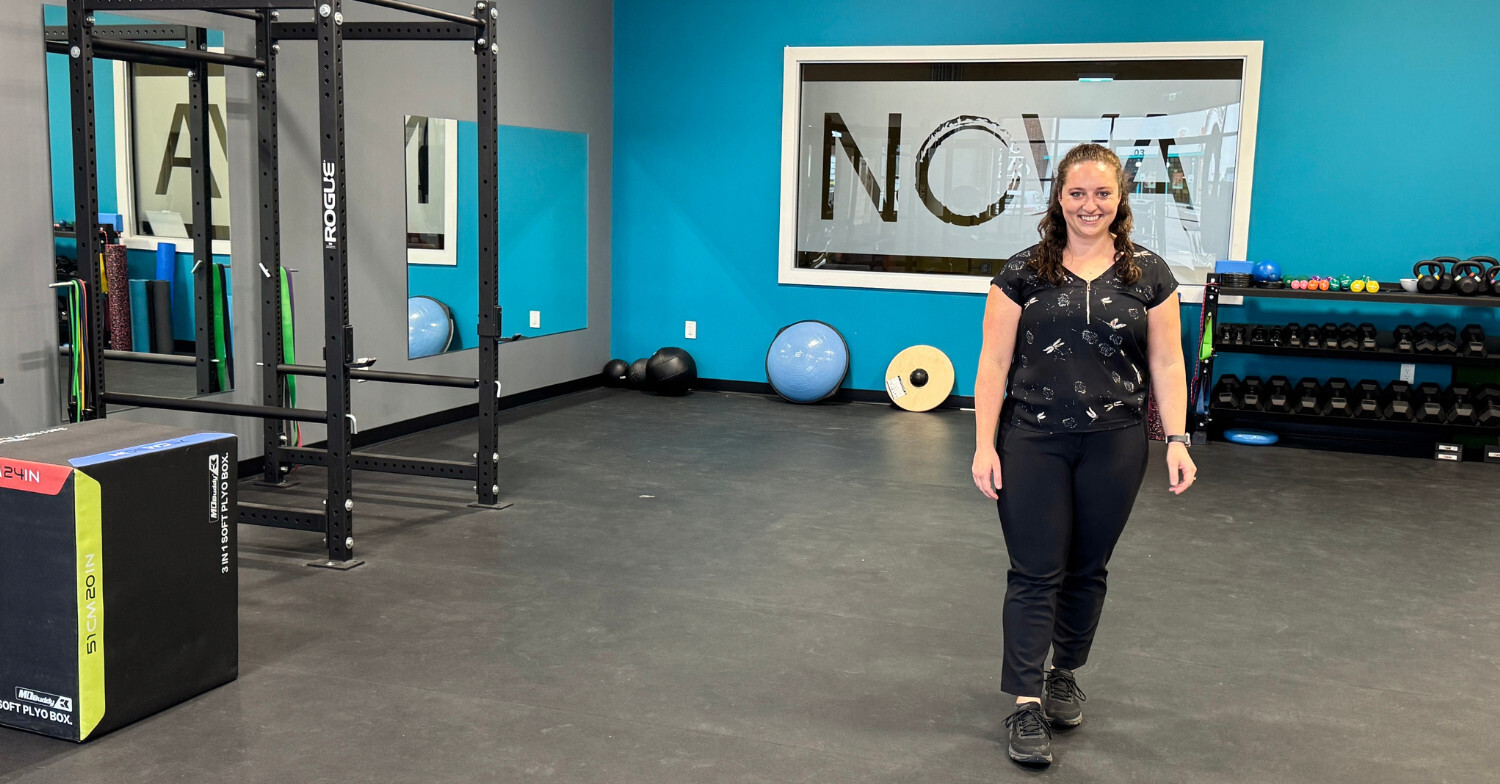
At Nova Physiotherapy, our vestibular-trained physiotherapist, Amber, begins with a detailed assessment to understand your specific challenges. She then creates a personalized exercise plan which can include some or all of the components below:
Advanced Assessments with Infrared Video Goggles
At Nova, Amber uses infrared video goggles as part of the assessment! This helps track eye movements in response to head and body motion. As eye movements are closely linked to the inner ear, this technology provides detailed insights and helps identify subtle issues that might not show up in a standard exam or in room light. The information guides a tailored management plan and the goggles are non-invasive and comfortable.
Exercises and Techniques
Vestibular physiotherapy is a specialized approach that helps assess and manage symptoms through targeted exercises and personalized care. This may include:Canalith Repositioning ManeuversFor conditions like BPPV (benign paroxysmal positional vertigo), specific head and body movements, such as the Epley or Semont maneuvers, may help. These gentle techniques aim to guide tiny calcium crystals in the inner ear back into their correct position, often bringing quick relief.
Habituation Exercises
If certain positions or movements trigger dizziness, habituation exercises will be part of the treatment plan. These exercises involve gradually and safely exposing you to the movements that provoke symptoms. Over time, this can help your brain become less sensitive, reducing dizziness during everyday activities.
Gaze Stabilization Exercises
These exercises work on improving the coordination between your eyes and head. By practicing focusing on a stationary or moving target while moving your head, you can enhance visual clarity and balance when you’re in motion.
Balance and Coordination Training
Balance exercises are a key part of vestibular rehabilitation. They retrain your body to stay stable by using signals from your eyes, inner ears, and muscles. Exercises may include standing on one leg, walking along a line, or practicing on slightly uneven surfaces to improve steadiness and confidence.
Strengthening and Postural Control Exercises
Strengthening your legs, core, and postural muscles helps your body maintain stability. Better strength and posture allow you to respond more effectively to movement and changes in position, helping to reduce feelings of unsteadiness.
Possible Benefits of Vestibular Physiotherapy
Living with dizziness or balance problems can make daily life challenging. Vestibular physiotherapy looks to help:
- Reduce dizziness and motion sensitivity
- Improve steadiness during walking and movement
- Build confidence in daily activities
- Increase awareness of how to manage symptoms effectively
When to Consider Vestibular Physiotherapy
A vestibular assessment may be appropriate if you experience:
- Recurrent dizziness or vertigo
- Feeling unsteady when walking or standing
- Sensitivity to motion or busy visual environments
- Difficulty focusing while moving your head
- Ongoing symptoms after a concussion or head injury
At Nova Physiotherapy, Amber provides comprehensive vestibular assessments and individualized care plans. Assessment and treatment combines education, guided exercises, and gradual progressions to work towards clients actively managing their recovery and symptoms. Maneuvers may be performed if findings are consistent with this treatment option.
Overview
Vestibular physiotherapy offers a structured, evidence-informed approach to managing dizziness, vertigo, and balance challenges. With consistent practice and professional guidance, many people regain confidence, independence, and stability in their daily lives.
If you are experiencing dizziness or balance difficulties, booking an assessment at Nova Physiotherapy can help determine whether vestibular physiotherapy is right for you and guide you through every step of the process. Let’s get you booked in with Amber HERE!