Pelvic Pain Explained
Pelvic pain can be confusing, frustrating, and sometimes even embarrassing to talk about. However, it is far more common than many people realize. Pelvic floor physiotherapists regularly see individuals dealing with pelvic pain symptoms that affect their daily lives.
Read on to understand what pelvic pain is, how it can present, and how pelvic floor physiotherapy can play a key role in recovery. Along the way, you’ll learn how your body works and what steps you can take to start feeling better.
What Is Pelvic Pain?
Pelvic pain refers to discomfort felt in the lower abdomen, pelvis, or surrounding areas.
This includes symptoms such as:
- Pelvic pressure
- Abdominal pain
- Lower back pain
- Hip pain
- Groin pain
- Pain during movement, sitting, toileting or other daily activities
Importantly, pelvic pain is not always caused by a single issue. Instead, it often involves a combination of muscles, joints, nerves, and internal systems having to work together efficiently.
For example, someone might initially notice mild abdominal pain. However, over time, that discomfort can spread to the hips or present as back pain. Therefore, understanding the root cause is essential for effective treatment.
The Role of the Pelvic Floor
The pelvic floor is a group of muscles that sit at the base of your pelvis. These muscles support your bladder, bowel, and reproductive organs.
Additionally, they play a major role in:
- Controlling bladder and bowel function
- Supporting posture and stability
- Assisting with breathing and pressure management
When the pelvic floor is functioning well, you likely don’t notice it at all. However, when something goes wrong (such as tightness, weakness, or poor coordination) you may begin to experience pelvic pain or other symptoms.
For instance, excessive tension in the pelvic floor can lead to pelvic pressure or pain with sitting. On the other hand, weakness can contribute to feelings of heaviness or instability.
Common Presentations of Pelvic Pain
Pelvic pain does not look the same for everyone. In fact, one of the biggest challenges is that symptoms can vary widely.
These are some of the common presentations of pelvic pain:
1. Persistent Lower Abdominal Pain
This may feel like:
- Aching or cramping
- Sharp or intermittent discomfort
- Pain that worsens with activity
2. Pelvic Pressure or Heaviness
People often describe this as:
- A “heavy” sensation at the bottom of the pelvis
- Increased pressure at the end of the day
- Discomfort during standing or lifting
3. Back Pain and Hip Pain
Interestingly, pelvic dysfunction often contributes to:
- Chronic low back pain
- Tight or painful hips
- Pain with walking or exercising
4. Pain with Sitting or Movement
This can include:
- Tailbone pain
- Pain during prolonged sitting
- Discomfort when transitioning positions
- Pain with bending or lifting
5. Breathing and Core Issues
Some individuals experience:
- Difficulty coordinating breathing
- Poor abdominal pressure control
- A sense of instability through the core or lower back
Because these symptoms overlap with other conditions, pelvic pain is often misunderstood or misdiagnosed. However, a detailed assessment can help clarify what is really going on.
How Breathing and Pressure Impacts Pelvic Pain
At first glance, breathing may not seem related to pelvic pain. However, the connection is significant. Your diaphragm (the main breathing muscle), abdominal muscles, and pelvic floor all work together to manage pressure in your body.
This system is called abdominal pressure control.
When everything functions properly:
- You inhale → the diaphragm lowers, and the pelvic floor relaxes
- You exhale → the pelvic floor gently lifts and supports
However, problems arise when this coordination breaks down.
For example:
- Holding your breath during movement increases pressure
- Shallow breathing limits proper muscle function and movement
- Poor coordination leads to strain on the pelvic floor, lower back, or abdominals
As a result, symptoms like pelvic pressure, abdominal pain, and even back pain can develop. Therefore, improving breathing patterns is often one of the first steps in pelvic floor physiotherapy.
How Pelvic Floor Physiotherapy May Help
Pelvic floor physiotherapy is a form of physical therapy that focuses on the muscles and structures of the pelvic region. Physiotherapists who provide this care have completed additional education and training in pelvic health, allowing them to look beyond symptoms and address the underlying causes of dysfunction.
Here’s how it looks to help:
Assessment and Diagnosis
First, a pelvic floor certified physiotherapist performs a detailed assessment, which may include:
- Posture and movement analysis
- Breathing patterns
- Core and pelvic floor function
- Hip and back mobility
This allows us to identify whether the issue is due to tightness, weakness, or poor coordination.
Individualized Treatment Plans
Next, treatment is tailored to your specific needs.
This may include:
- Relaxation techniques for overactive pelvic floor muscles
- Strengthening exercises for weak or underactive muscles
- Breathing retraining to improve coordination and abdominal pressure control
- Manual therapy to reduce pain and tension
- Movement and postural education to prevent recurrence
- Education to learn how your body works, what triggers symptoms, and how to manage your condition
Benefits of Pelvic Floor Physiotherapy
Many people are surprised by how effective pelvic floor physiotherapy can be. The benefits often extend beyond pain relief.
Key benefits include:
- Reduced pelvic pain and discomfort
- Improved bladder and bowel control
- Better core strength and stability
- Relief from back pain and hip pain
- Improved breathing and posture
- Enhanced confidence in daily activities
- Improved physical activity performance
Additionally, addressing pelvic floor dysfunction can prevent symptoms from worsening over time.
When Should You Seek Help?
It is common to wait and hope pelvic pain will resolve on its own. However, early intervention often leads to better outcomes.
You should consider seeing a pelvic floor physiotherapist if you experience:
- Ongoing pelvic pain that lasts more than a few weeks
- Pelvic pressure or heaviness
- Unexplained abdominal pain
- Back pain or hip pain that isn’t improving
- Soreness with deep breathing or core control
If your symptoms are affecting your quality of life, it is worth seeking support. Most people will see improvement once they begin targeted treatment.
What to Expect at Your First Visit
Many people feel unsure about what pelvic floor physiotherapy involves. However, the process is always guided by your comfort level.
During your first session:
- We will discuss your symptoms and history
- A physical external assessment with be performed to assess the posture, strength and ROM of the lower back, hips, and pelvis.
- An internal exam may be performed (with consent) to assess the pelvic floor muscles
- A treatment plan will be created
You are always in control of the process and are welcome to ask questions. The goal is to create a safe and supportive environment where you feel heard and understood.
Final Thoughts: Taking the First Step
Pelvic pain can feel overwhelming, especially when it affects multiple areas such as the pelvis, back, hips, and abdomen. However, understanding the role of the pelvic floor, breathing, and abdominal pressure control can make a significant difference.
With the right guidance, many people experience reduced pain, improved function, and greater confidence in their bodies.
Pelvic floor physiotherapy offers a practical, evidence-based approach to recovery. If you are dealing with pelvic pain, know that effective help is available and that improvement is possible.
So, if you or someone you know is dealing with persistent pelvic pain, consider a pelvic floor physiotherapy assessment.
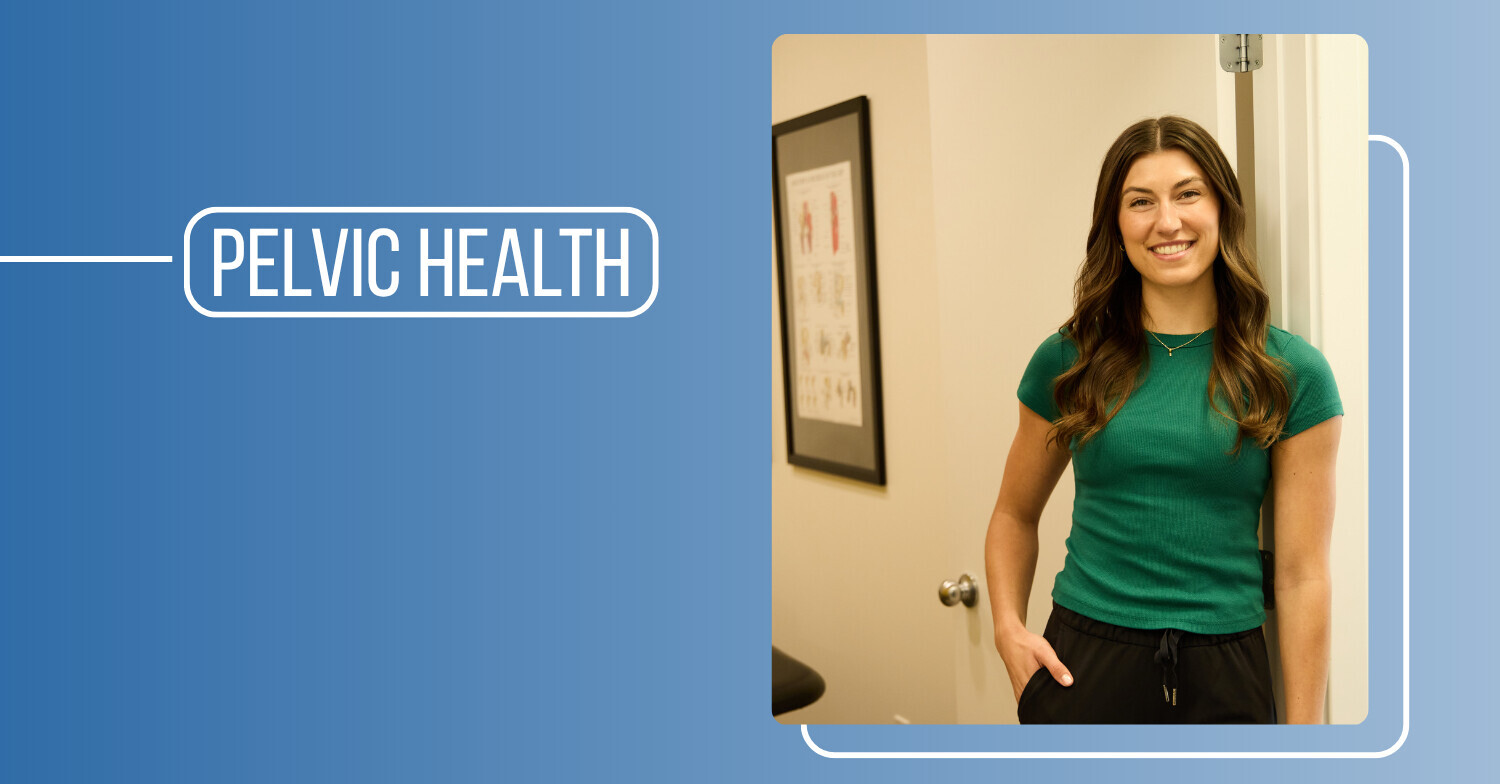
Sheridan at Nova Physiotherapy is a pelvic floor certified physical therapist and is here to support you as you navigate pelvic pain or dysfunction. Ready to take the first step? Let's get you booked in HERE.