When people think about rehabilitation or physiotherapy, they often imagine stretching, massage, or gentle exercises. While those tools certainly have their place, one of the most powerful interventions in rehab is resistance training. Understanding why injuries happen helps explain why strengthening tissues is such an important part of recovery and prevention.
Demand Exceeds Capacity
Many injuries, both chronic and acute, can be understood through a simple principle:
Every structure in the body including muscles, tendons, ligaments and bones, has a certain level of stress it can tolerate. When the stress placed on that tissue goes beyond what it can handle, injury can occur.
For example, if you experience elbow pain such as tennis elbow, the inflammation is often the result of your forearm muscles and tendons being unable to tolerate the repetitive demands placed on them. Over time, repeated loading without adequate capacity or recovery can lead to irritation and pain.
The same principle applies to acute injuries. If you roll your ankle stepping off a curb and the ligaments tear, it is because the load placed on those ligaments exceeded what they could handle at that moment.
While injuries can involve many factors such as fatigue, coordination, environmental conditions, and previous injury, the capacity of the tissue plays a central role.
What Does This Mean for You?
The implication of this idea is powerful: The stronger your tissues are, the more resilient they become to the demands of everyday life.
Resistance training strengthens much more than just muscles. Over time, progressive loading can help improve the strength and resilience of:
- Muscles
- Tendons
- Ligaments
- Bones
When these tissues become stronger, they are better able to tolerate stress. That means daily tasks, recreational activities, and unexpected events are less likely to push your body past its limits.
In other words, increasing tissue capacity makes injuries less likely when life inevitably throws challenges your way.
How Does This Apply in the Real World?
The benefits of resistance training show up across many different populations and lifestyles.
Older Adults
As we age, one of the biggest concerns is the loss of bone density and muscle mass. Strength training provides a stimulus that encourages bones to maintain their density and muscles to maintain their strength.
This matters because falls become more common with age. If bones are stronger and muscles are better able to stabilize the body, the risk of fractures or other serious injury decreases.
Strength training can also help older adults maintain independence by improving their ability to perform everyday tasks like climbing stairs, carrying groceries, or getting up from the floor.
Recreational Athletes
For the weekend warrior who plays recreational sports like soccer, basketball, or hockey, strength training builds a buffer against injury.
If you sprint up the sideline chasing a long pass in a soccer game, your hamstrings must handle large forces at high speeds. Stronger muscles are better prepared for those demands, which can reduce the likelihood of strains or pulls.
Desk Workers
Even people with relatively sedentary lifestyles benefit from resistance training.
Many individuals who spend long hours at a desk develop forward head posture and rounded shoulders. Strengthening the muscles of the upper back, shoulders, and core helps counteract this position.
“Strength Is Never a Weakness”
Powerlifter Mark Bell famously said “Strength is never a weakness.”
This quote captures an important truth. In my experience, I have never seen a situation where someone was injured because they were simply too strong.
What I have seen, time and time again, is strength helping people avoid injury.
On the rugby pitch or basketball court, stronger athletes often recover better from awkward positions or unexpected collisions. Outside of sport, strength shows up in everyday moments like helping a family member move furniture or catching yourself during a slip.
Strength doesn’t guarantee that injuries will never happen, but it gives your body a larger safety margin.
Why Don’t More People Strength Train?
Despite its benefits, many people hesitate to start resistance training.
One of the most common concerns is the fear of becoming too “bulky” or looking like a bodybuilder.
In reality, developing that kind of physique requires intentional effort over many years. Bodybuilders spend countless hours training with the specific goal of maximizing muscle size, and their nutrition is carefully structured to support that goal.
Most people engaging in resistance training for health or rehabilitation will not experience those same changes.
It’s also important to understand that strength and muscle size are related but not identical. You can become significantly stronger without gaining large amounts of muscle mass.
Strength Is a Skill
One reason strength can improve without dramatic muscle growth is that much of strength development comes from the nervous system.
When you begin strength training, your brain becomes better at recruiting muscle fibers and coordinating movement. Essentially, your body becomes more efficient at using the muscles you already have.
This is why strength training is often described as a skill. The more you practice movements like squats, presses, and deadlifts, the more your body learns how to perform them effectively.
What Does This Look Like in a Gym Setting at Nova?
At Nova Physiotherapy, strength training starts with a thorough assessment.
A physiotherapist will typically perform a movement screen to identify areas that may benefit from improvement. This may include assessing mobility, strength, balance, and movement patterns.
Equally important to us is understanding your goals. Some individuals want to return to sport. Others want to reduce pain during daily activities. Some may simply want to maintain their independence as they age.
Once those goals are clear, we can design an exercise program tailored specifically for you.
How Does Nova Physiotherapy Use Exercise as part of your treatment plan?
Exercise prescription is more detailed than simply telling someone to “lift weights.”
At Nova, we consider many variables, including:
- Exercise selection
- Number of sets and repetitions
- Amount of weight used
- Speed or tempo of movement
- Rest periods between sets
- Frequency of training
Each of these variables can be adjusted to target different goals.
For example, if someone’s goal is to get up from the floor after a fall, stamina is not the primary requirement. Instead, they likely need sufficient leg strength to push their body upward.
In that case, the program might include exercises such as:
- Squats
- Lunges
- Deadlifts
These exercises might be performed with lower repetitions and higher resistance to improve strength.
On the other hand, if someone wants to coach their child’s soccer team and participate in warm-up drills, their program might include more running, jumping, and plyometric exercises to build stamina and explosive power.
The key point is that exercise should match the goal.
What If I Don’t Have Equipment at Home?
One of the best things about exercise is how adaptable it is.
If someone needs to build leg strength but does not have access to weights, there are still many effective options.
We might progress a basic bodyweight squat into more challenging variations such as:
- Single-leg squats
- Split squats
- Lunges
- Step-ups
These movements increase the challenge without requiring additional equipment.
Even space limitations rarely prevent effective exercise. If you have enough room to lie down on the floor, you have enough space for exercises like:
- Push-ups
- Planks
- Bird dogs
- Dead bugs
Part of our role at Nova is helping you find ways to achieve your goals using the resources you have available.
The Role of Progression
Another important concept in resistance training is progressive overload.
Tissues adapt when they are gradually exposed to increasing levels of stress. If exercises remain exactly the same forever, the body stops adapting.
This does not mean every workout needs to be dramatically harder. Progression can happen in many small ways, such as:
- Adding a small amount of weight
- Performing one or two additional repetitions
- Increasing training frequency
- Improving technique or range of motion
These gradual changes allow tissues to adapt safely over time.
The Bottom Line
Injury often occurs when the demands placed on the body exceed what the tissues can handle.
Resistance training increases the capacity of muscles, tendons, ligaments, and bones, making them more resilient to the stresses of everyday life and sport.
Whether your goal is staying independent as you age, returning to sport, reducing pain at your desk job, or simply moving better, strength training can play a central role in achieving that goal.
And perhaps most importantly, strength is something almost everyone can build, no matter their starting point.
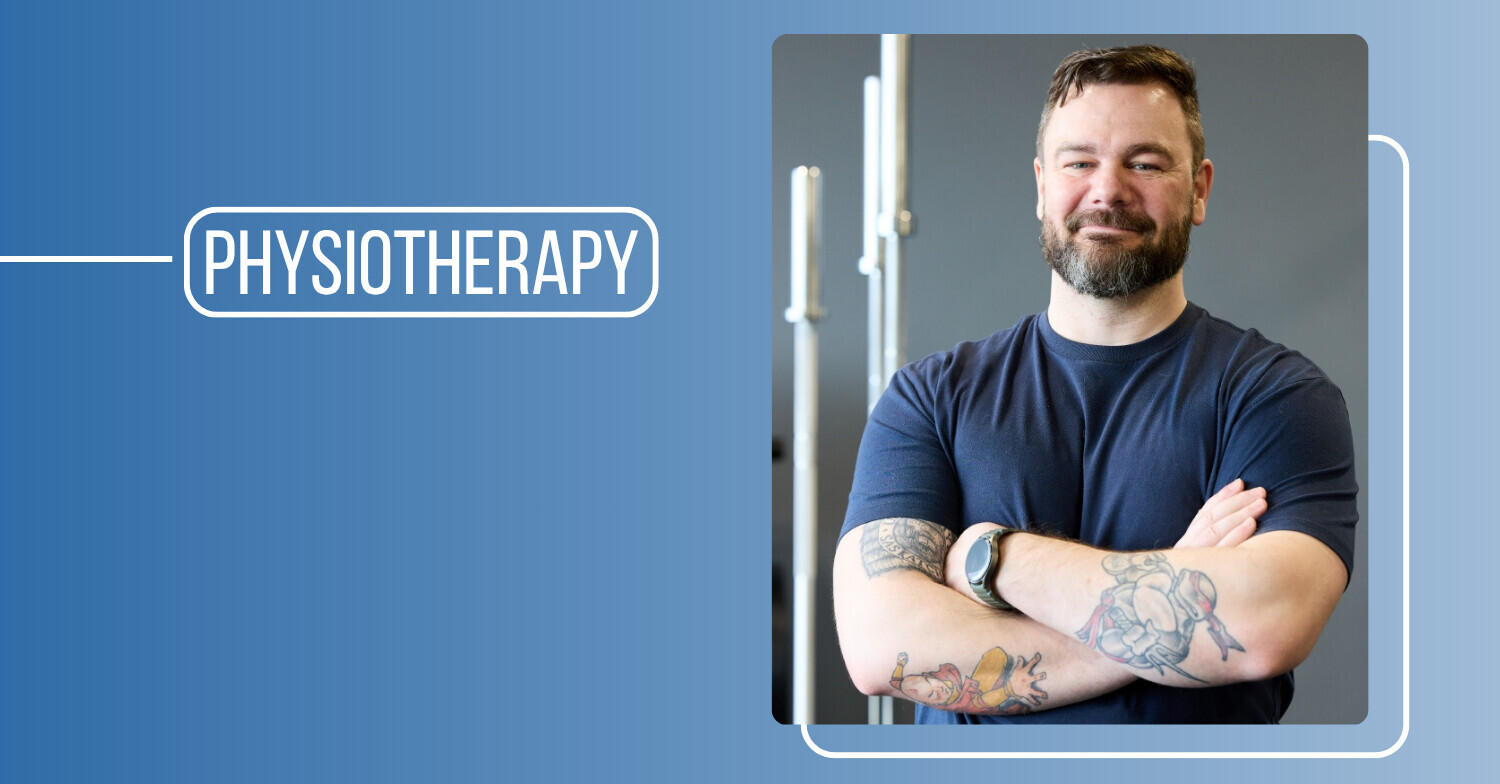
So, if you or someone you know is looking to build strength and improve how they move, consider physiotherapy with a focus on strength and resistance training. Bill at Nova Physiotherapy has a strong interest in this area and works with you to support your goals and progress over time. Let’s get you booked in HERE!
Because at the end of the day, the principle holds true: Strength is never a weakness.